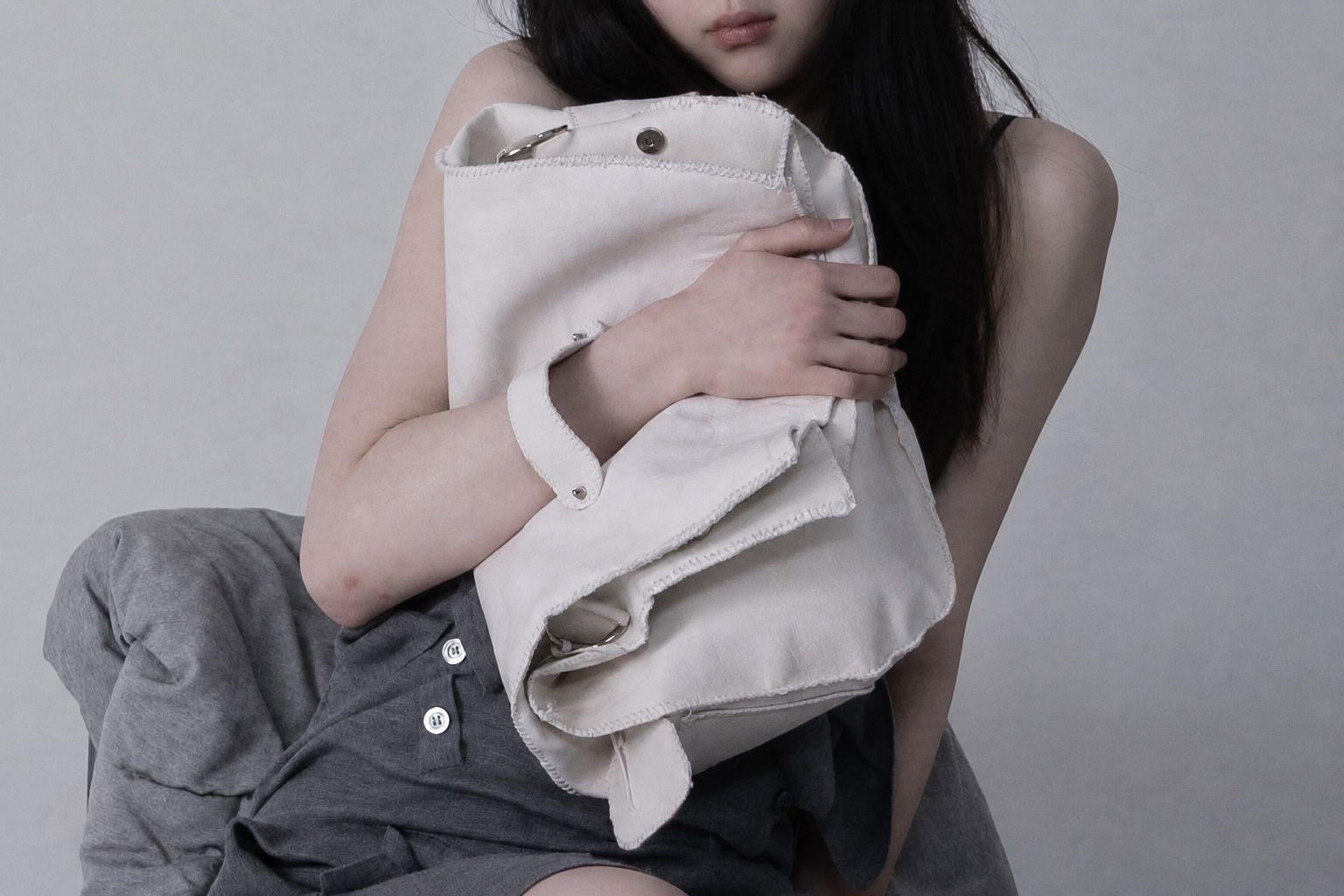
01 — Cream Large Handbag
Cowhide, neoprene, hardware · 2026
PROJECT DESCRIPTION
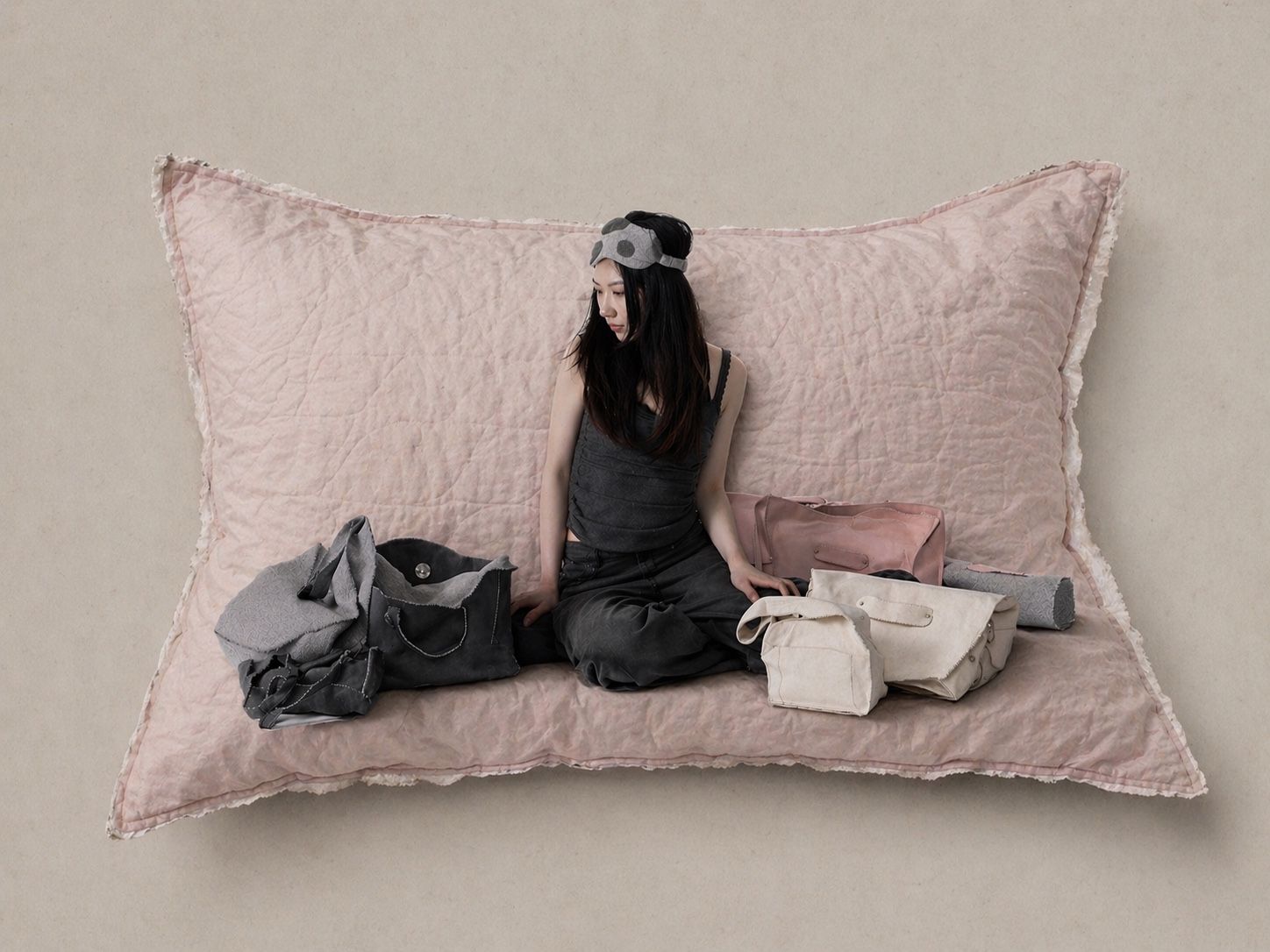
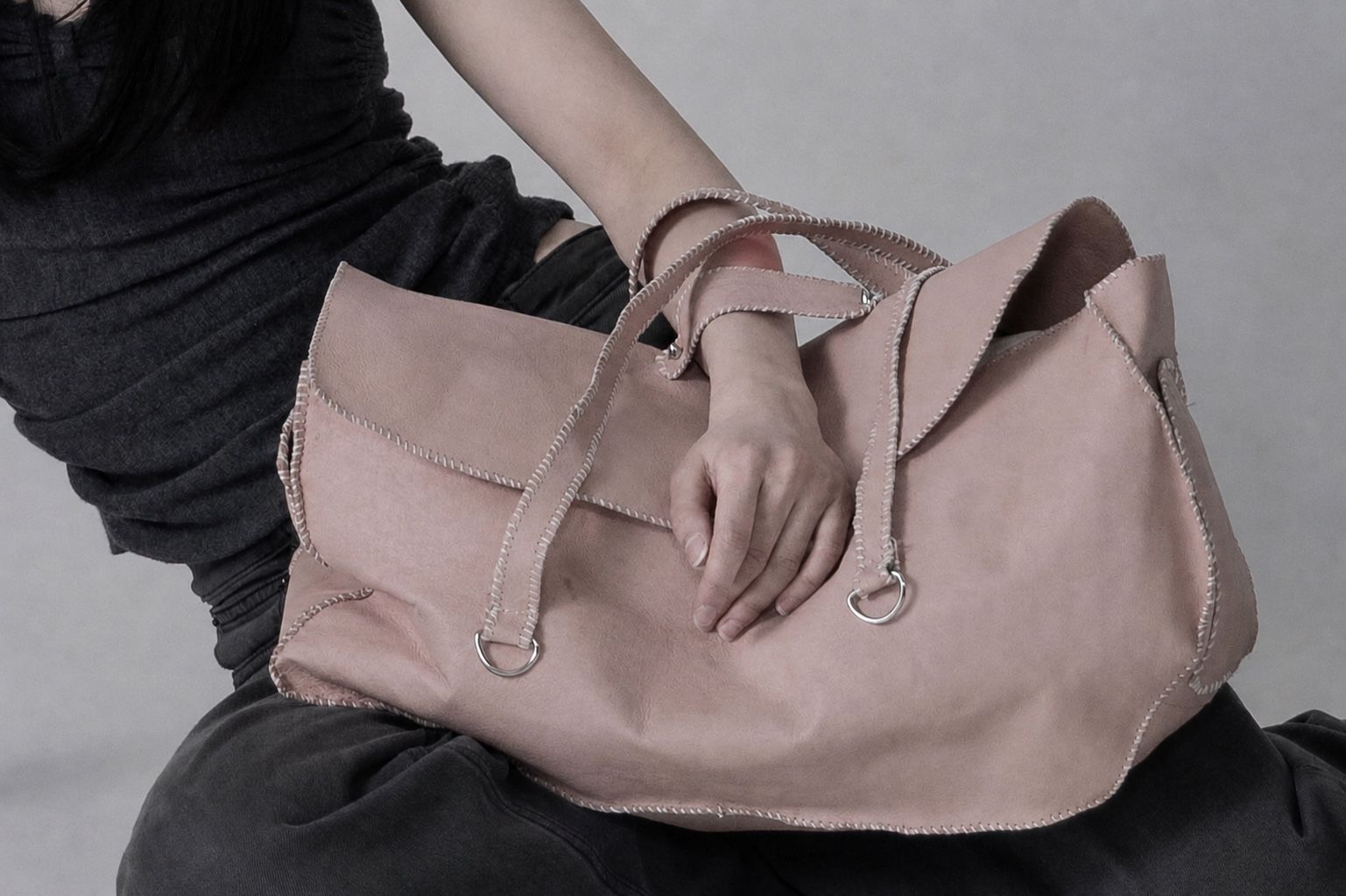
Room Fantasia is a collection of eight experimental bags inspired by the familiar objects and textures of a private room. Drawing from pillows, bedding, and upholstered surfaces, the collection transforms domestic forms into accessories that can be carried, worn, and held close to the body. The collection explores four primary materials: pigskin, cowhide, horsehair, and neoprene. Their contrasting textures create a dialogue between softness and structure, comfort and discomfort. Rounded silhouettes, irregular surfaces, and tactile details challenge conventional expectations of a functional handbag. Through material experimentation and unconventional construction, the project reimagines bags as intimate objects that exist between fashion and sculpture. Each piece carries traces of domestic familiarity while introducing a sense of strangeness, vulnerability, and transformation.
PROJECT STATEMENT
Room Fantasia begins with my relationship with my private room—a space of comfort, familiarity, and emotional attachment. I have always understood the room as more than a physical environment. It is an extension of the body, holding memories, habits, and traces of personal experience. Through this project, I transform familiar domestic objects, such as pillows and bedding, into wearable forms. These objects are associated with softness, protection, and intimacy. Yet I am interested in how comfort can gradually become attachment, and how the desire for protection can also create a sense of dependence. The relationship changes when these private objects are brought into public view. What once sheltered the body becomes visible to others, shifting from comfort to exposure. The softness of the forms suggests tenderness and familiarity, while their distorted proportions and unfamiliar functions introduce subtle discomfort. By combining softness with structural rigidity, I explore the fragile boundary between protection and vulnerability. The body and its surrounding objects begin to merge, creating wearable forms that exist somewhere between fashion, sculpture, and personal memory. Ultimately, Room Fantasia reflects my interest in the emotional lives of objects and the ways our surroundings shape our sense of self. It is an exploration of what happens when the private becomes visible, and when the objects we depend on become extensions of our bodies.
01 / PROJECT INTRODUCTION
What if the objects that surround us in our most private moments could become something we carry with us? Room Fantasia begins with this question, transforming the familiar softness of pillows, bedding, and domestic surfaces into a collection of wearable objects. Through these transformations, the room becomes more than a physical space. It becomes an extension of the body, carrying traces of comfort, memory, intimacy, and vulnerability.
02 / CONCEPT
The private room is a place of comfort, familiarity, and emotional attachment. Objects such as pillows, bedding, and cushions hold traces of our daily lives, becoming extensions of our bodies and memories.
Softness suggests protection and intimacy, yet comfort can also become a form of dependence. The objects that make us feel safe may gradually shape our habits, attachments, and emotional boundaries.
When objects from the private room are transformed into wearable accessories, they enter public space and become visible to others. What once protected the body is now exposed to observation, creating a tension between intimacy and vulnerability.
Through contrasts between softness and structure, protection and exposure, Room Fantasia explores the shifting boundaries between the body and its surroundings. The collection creates a wearable space in which the distinctions between self, object, and environment begin to blur.
The domestic room is approached as an extension of the body.
03 / RESEARCH & INSPIRATION
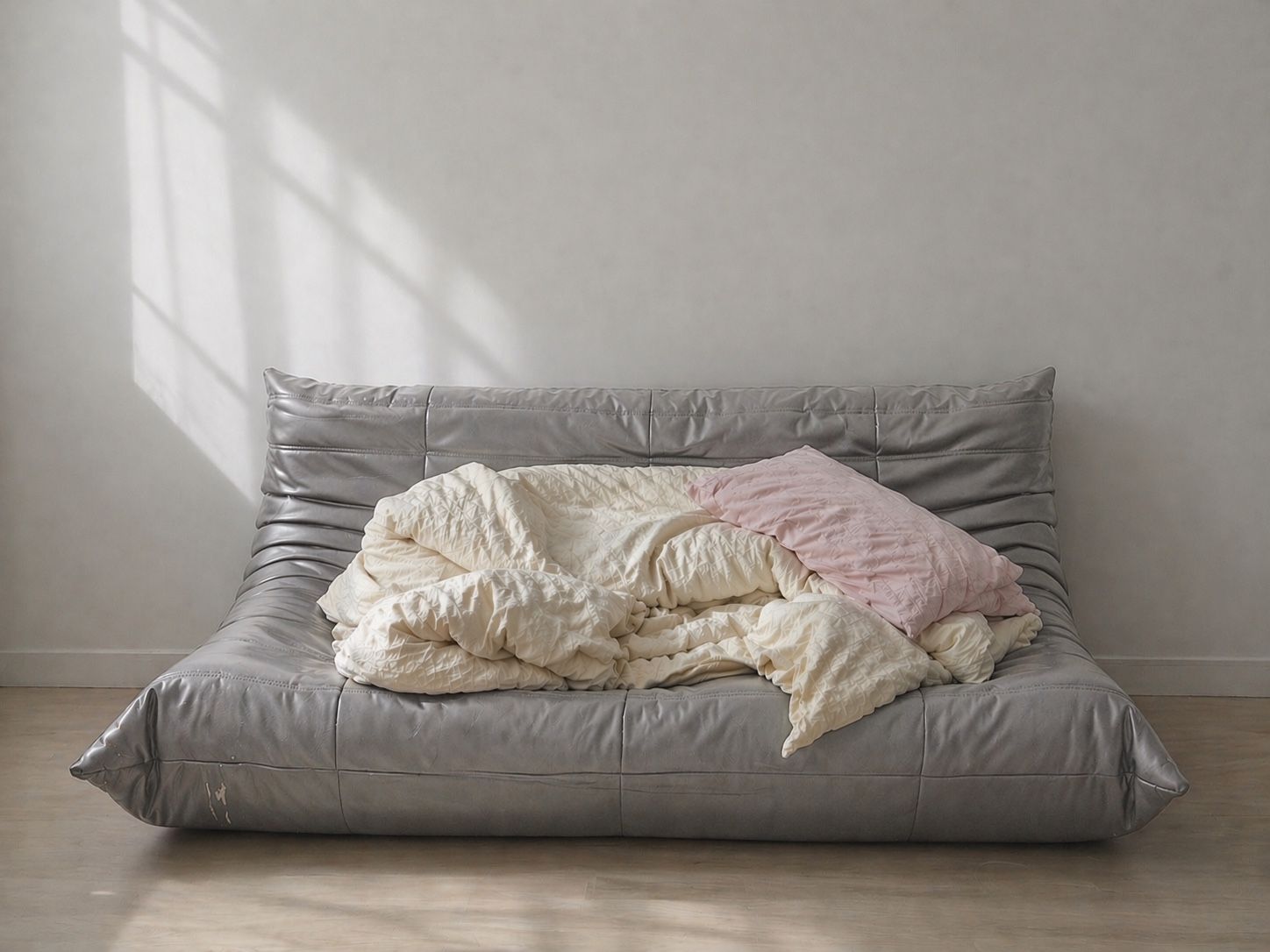
My research began with observing the objects and textures of my private room. Pillows, bedding, cushions, and upholstered surfaces became important references because of their intimate relationship with the body. These familiar objects carry a sense of comfort and security, while also holding traces of personal habits and emotional attachment.
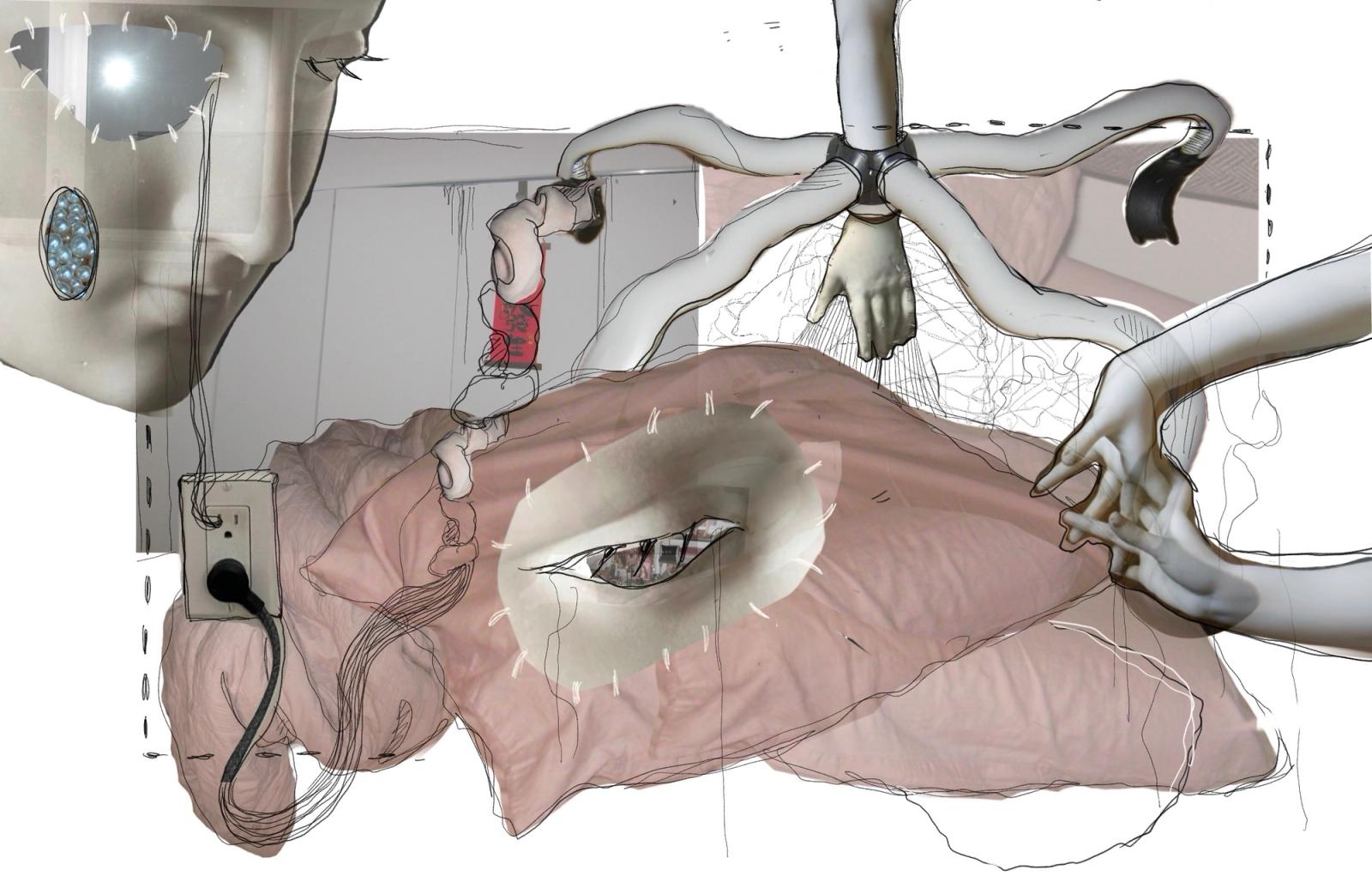
Through visual research and experimentation, I explored how familiar domestic forms could be distorted, enlarged, and transformed. Rounded silhouettes, folds, irregular surfaces, and exaggerated proportions became ways of translating the softness of the room into sculptural objects.
I was particularly interested in the tension between attraction and unease. Soft materials and familiar shapes invite touch and closeness, yet their altered forms can feel unfamiliar or unsettling. This contrast became a starting point for developing a collection that exists between functional accessories and expressive objects.
04 / MATERIAL EXPLORATION
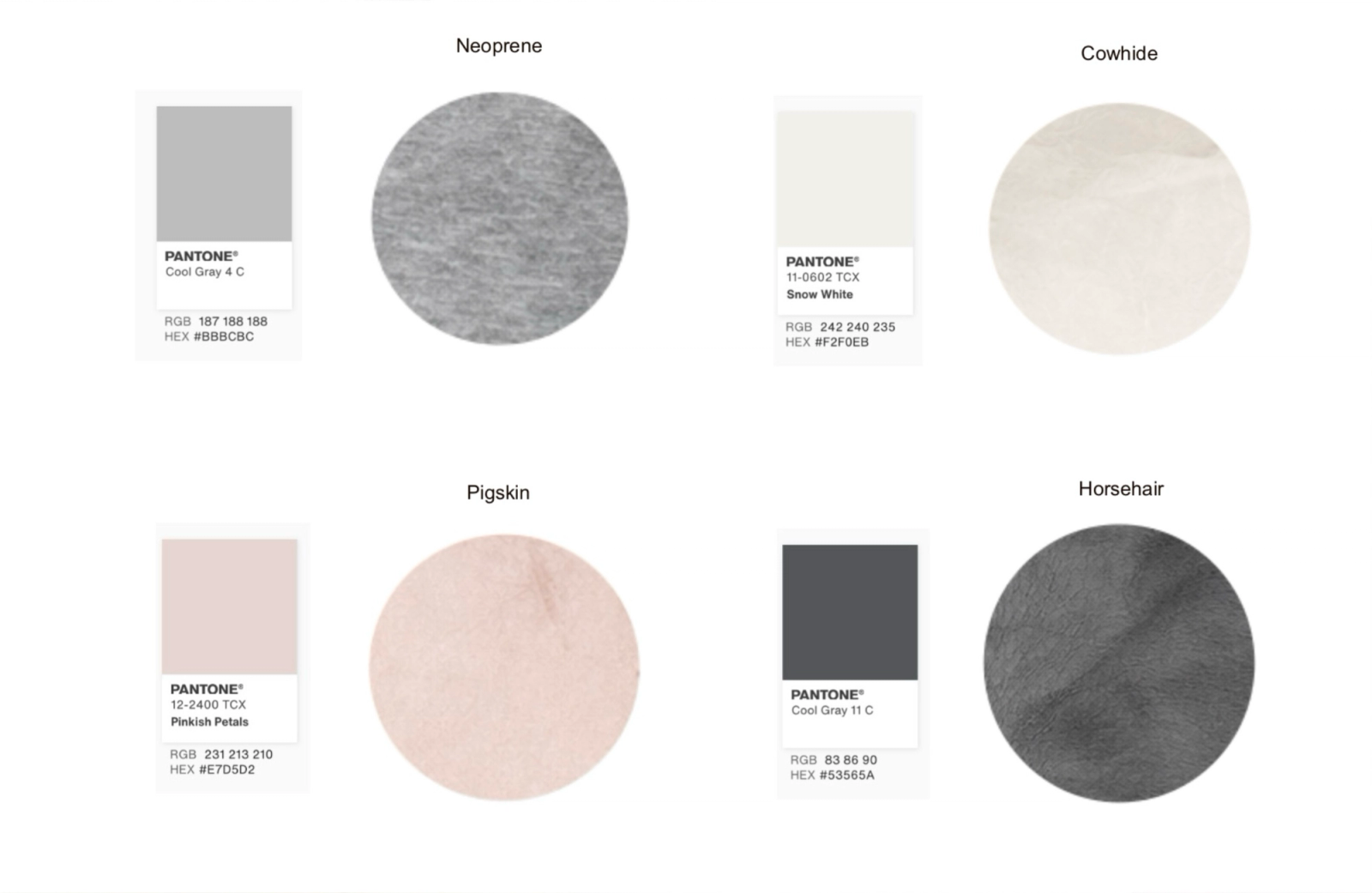
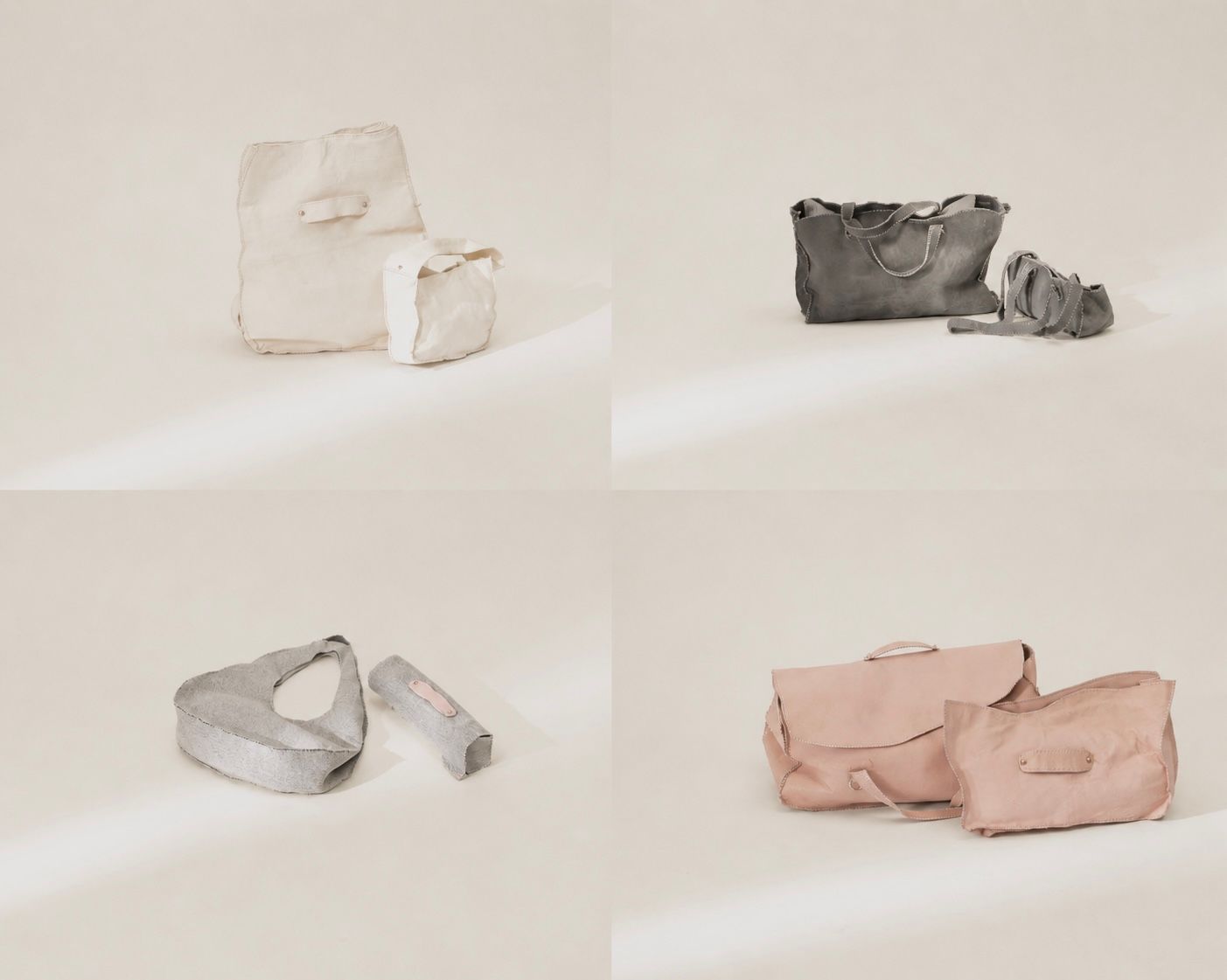
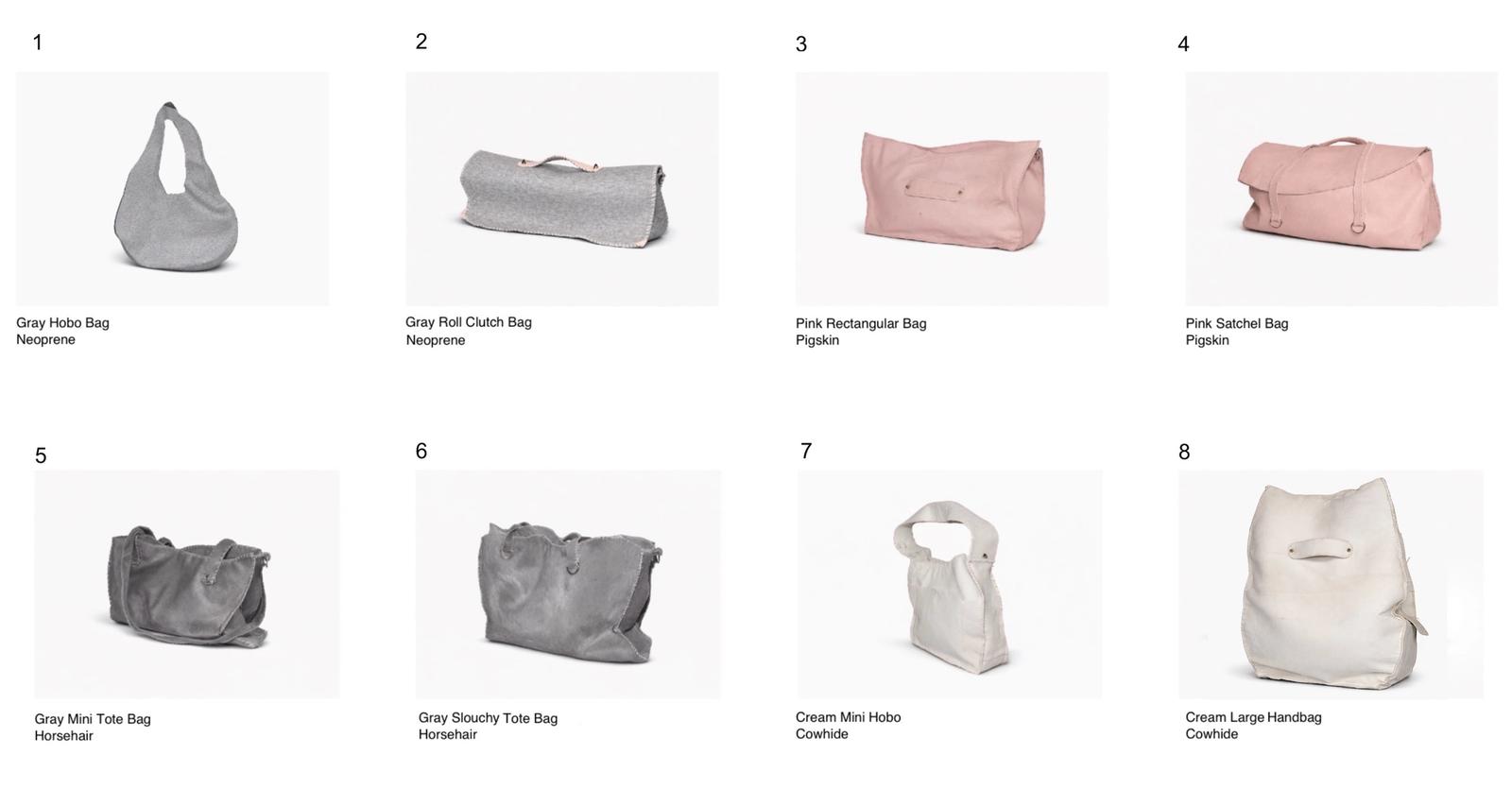
Material selection plays an important role in Room Fantasia. The collection primarily uses pigskin leather, cowhide leather, horsehair, and neoprene, bringing together contrasting textures, weights, and levels of flexibility. These materials allow familiar domestic softness to be translated into wearable forms.
I was interested in the emotional qualities of materials and how they influence our perception of an object. Soft, pliable surfaces suggest comfort and closeness, while rougher textures and more structured forms introduce tension. These contrasts reflect the relationship between intimacy, protection, and discomfort that runs throughout the collection.
Through material experimentation and leatherworking techniques, I explored ways of shaping flexible materials into unconventional bag structures. Hand stitching, wet molding, and selected fabricated components contributed to the construction of forms that balance functionality with sculptural expression.
05 / PROCESS
The design process began by translating familiar domestic forms into functional bag silhouettes. Drawing from pillows, folded bedding, and soft furnishings, I developed eight designs that explore different relationships between the body, material, and structure.
I experimented with the relationship between soft surfaces and structural support, allowing the bags to retain irregular folds, rounded forms, and a sense of softness. Rather than creating perfectly symmetrical shapes, I embraced the natural behavior of materials to develop sculptural silhouettes.
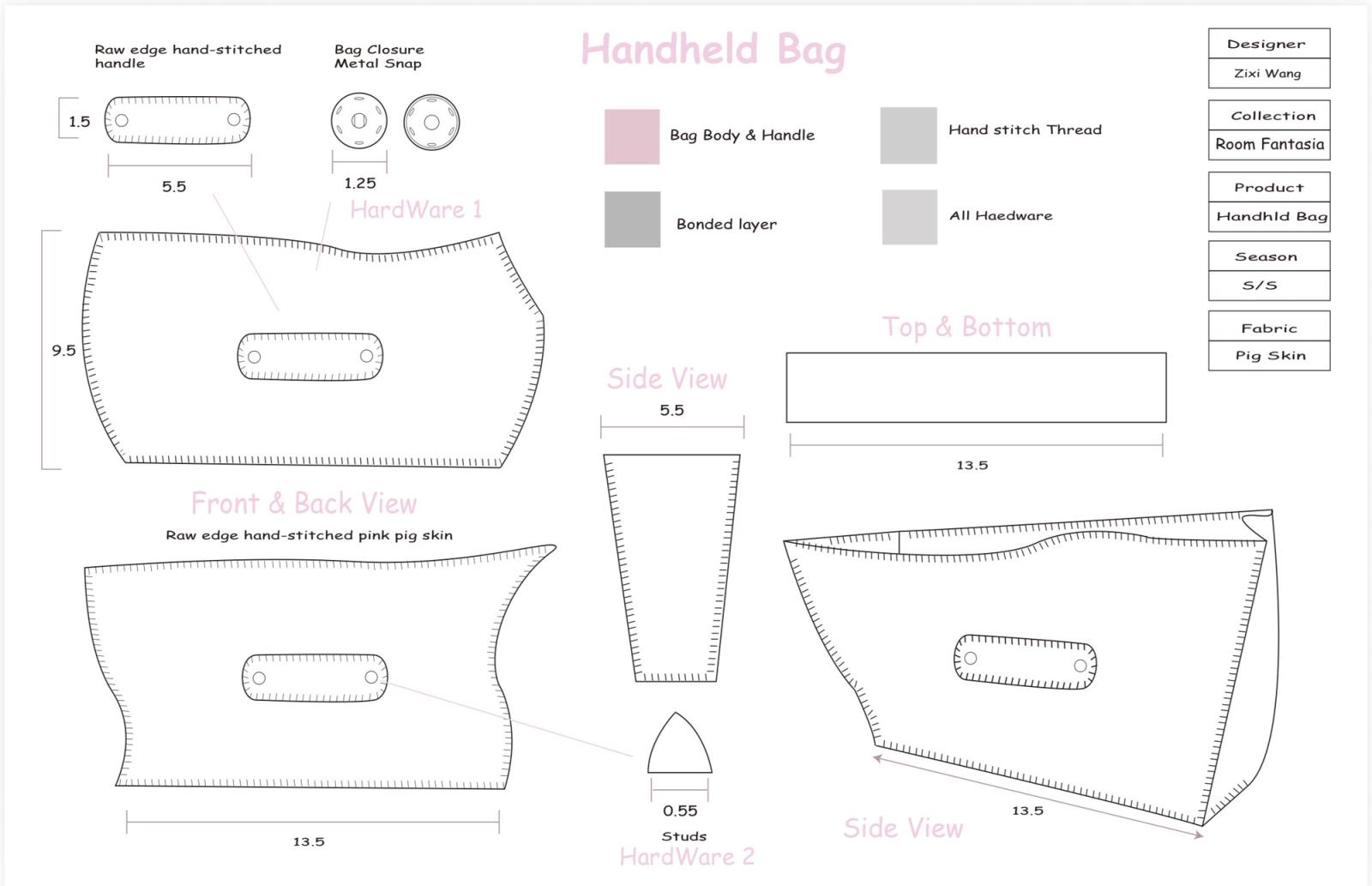
The collection was developed through leatherworking and material experimentation, including wet molding, hand stitching, and the use of digitally fabricated components. These techniques allowed me to explore how flexible materials could be shaped into wearable objects while retaining their tactile and expressive qualities.
06 / FINAL WORKS
The final collection consists of eight experimental bags developed from the forms and textures of domestic objects. Each design explores a different relationship between softness, structure, and the body, translating familiar elements of the private room into wearable accessories.
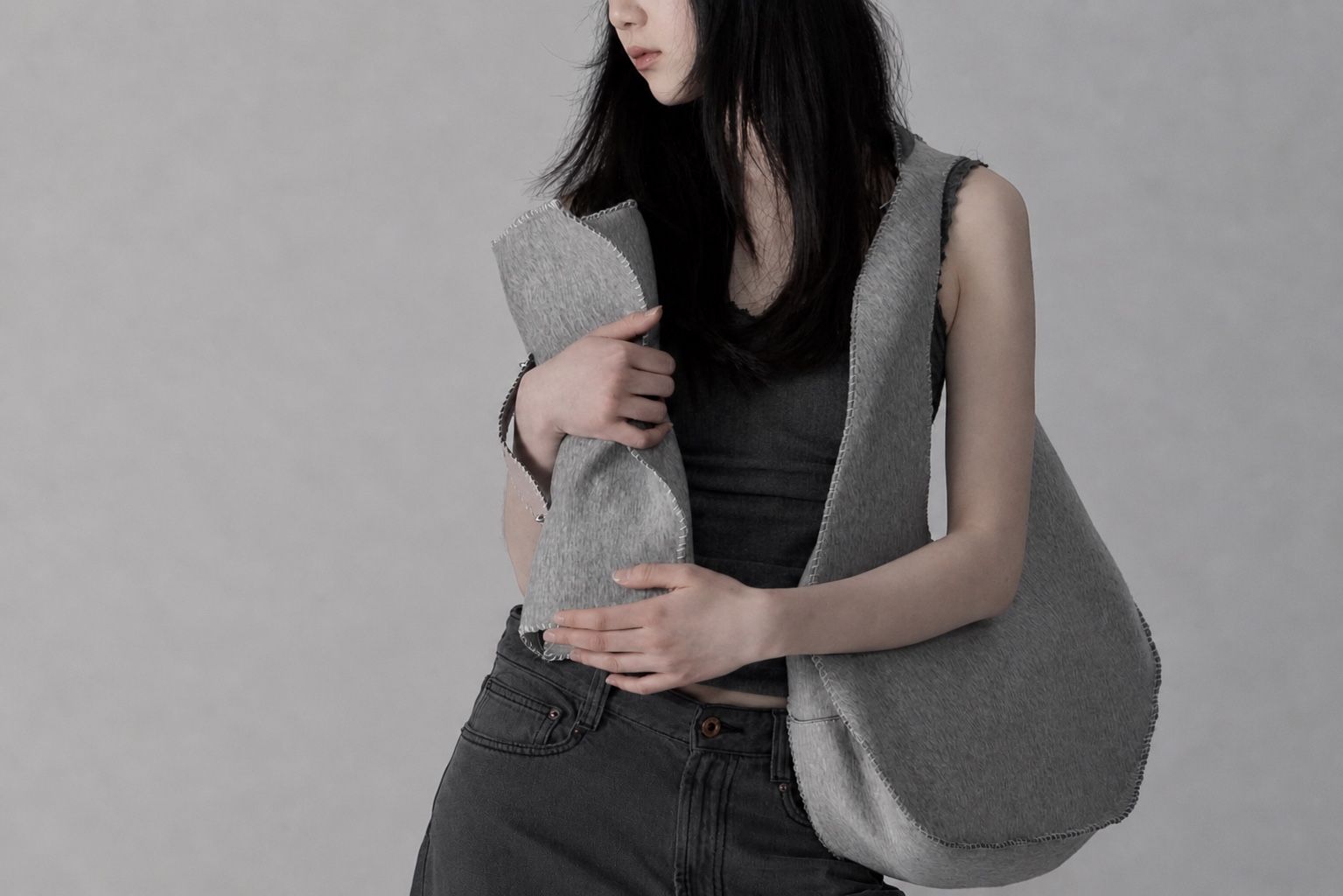
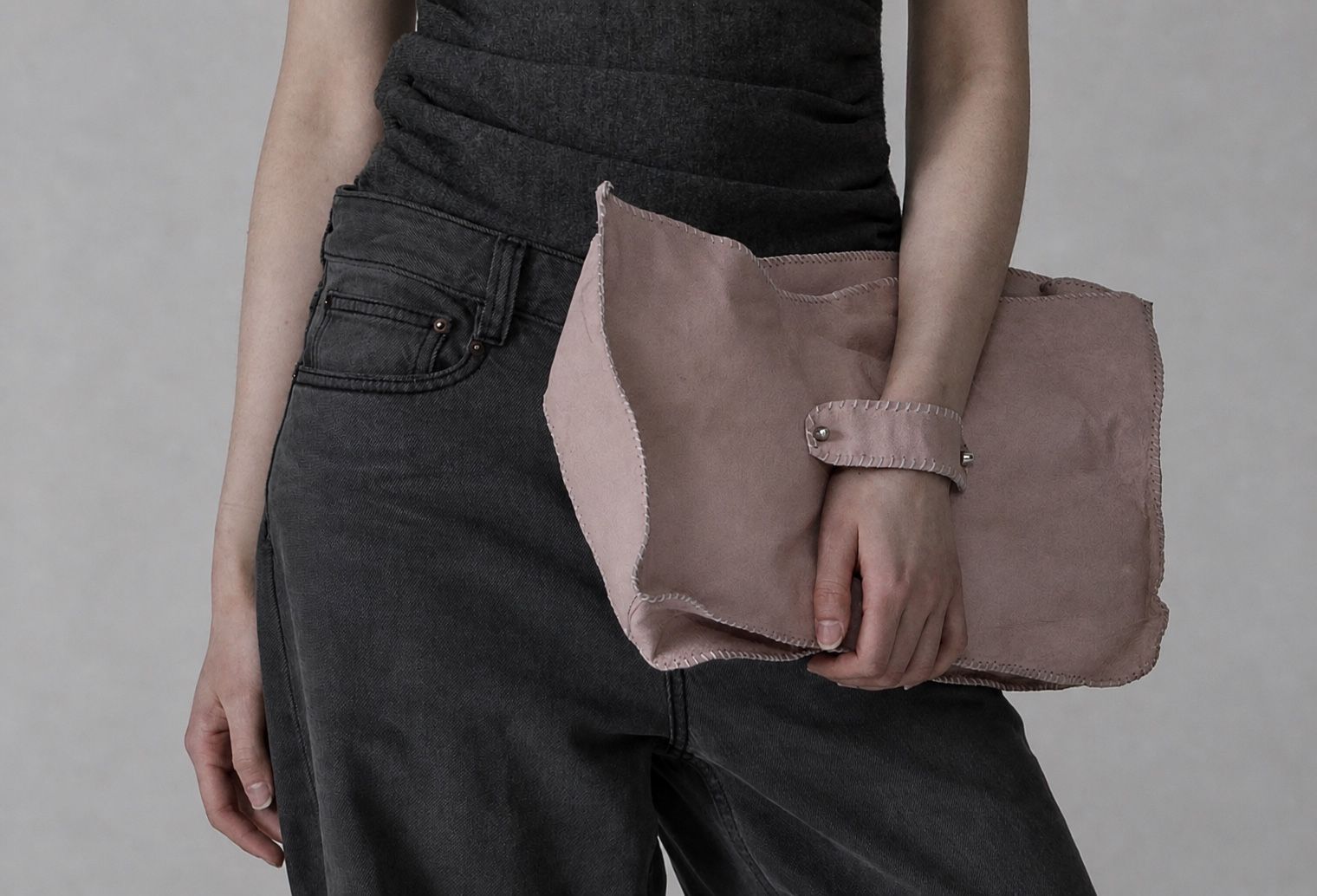
Presented through editorial photography, individual product studies, and technical documentation, the collection brings together sculptural expression and functional design. The eight bags form a shared visual language while retaining their individual materials, silhouettes, and tactile qualities.
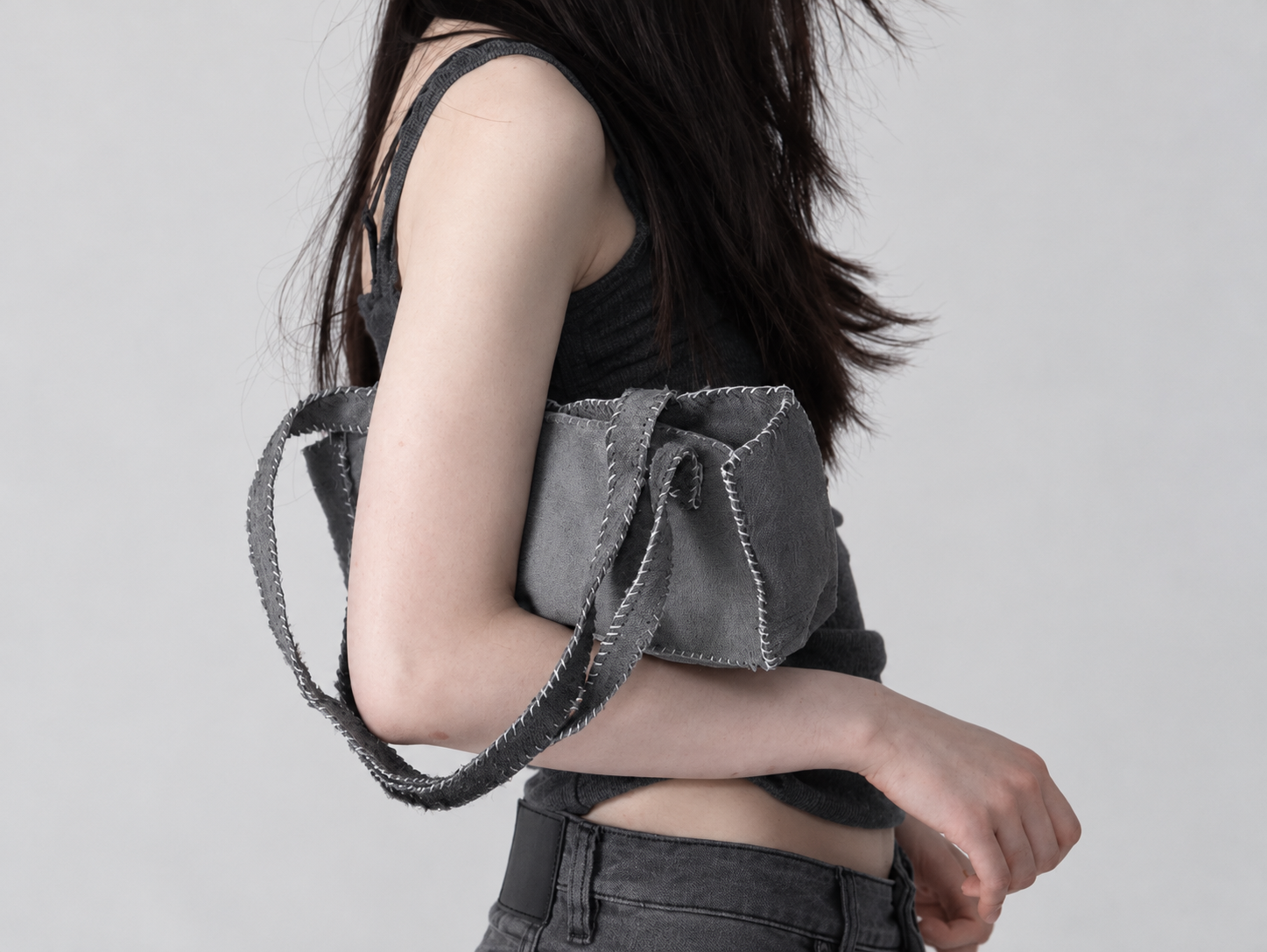
Cowhide, neoprene, hardware · 2026
Cowhide · 2026
Horsehair, Hardware, Neoprene · 2026
Horsehair, Neoprene · 2026
Pigskin, Neoprene · 2026
Pigskin, Neoprene · 2026
Neoprene · 2026
Neoprene · 2026
PROJECT INFORMATION